GET PREPARED FOR YOUR ADVENTURE

Namaste, fellow travellers!

The other day in class we were talking about culture shock, and two girls that had been to Nepal said that the hardest thing for them to get used to was showering. Seems like hygiene is something foreigners really struggle at the beginning when going to Nepal.

With hygiene, I’m talking about different aspects that are done differently in western countries from Nepal. The following are the most recurrent ones:

  • SHOWERS. If you’re from any western country, you might be used to warm endless showers. Well, get prepared for the freezing cold water showers or bucket ones. Another option (if you’re lucky and you have one nearby) are public bathing taps.
  • TOILETS. Most toilets in Nepal are just a hole in the ground. Also, there is no toilet paper. So you better learn how to wipe your ass with water. But remember, always with your left hand!
  • EATING. You might be wondering why did she write before just to use the left hand for the toilet. The reason why is because you might need the right one to eat. Yep, it’s right, if you really want to integrate you will have to eat without cutlery.
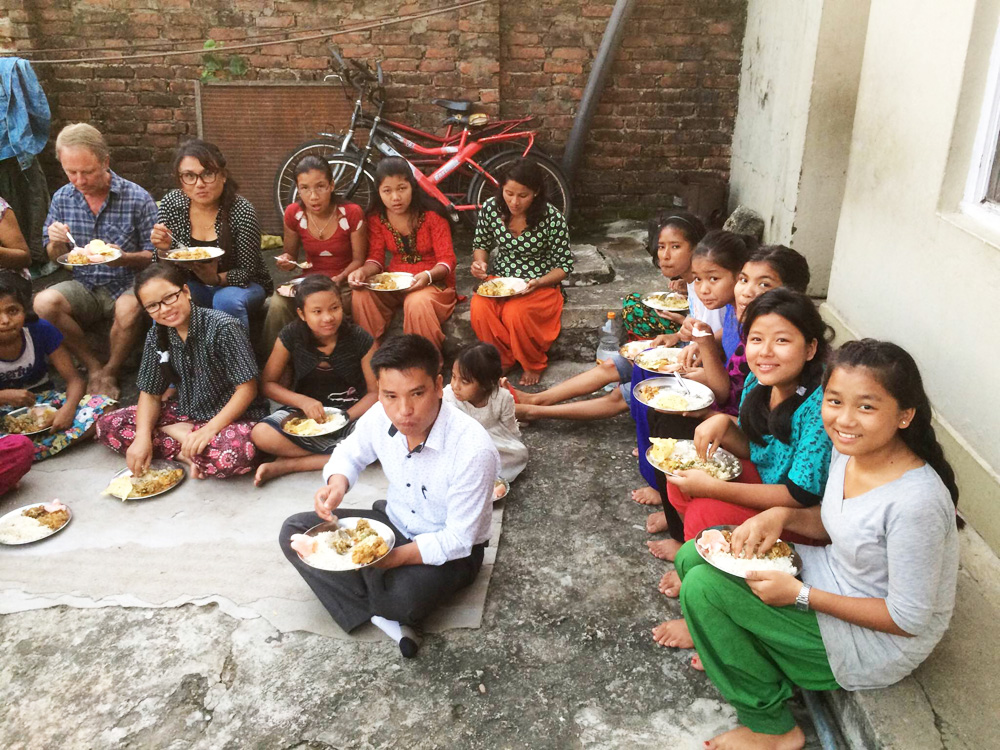
Nepali people having lunch. Credit: WPC Newsletter Exclusive Photos!

Now, you might be thinking ‘No way I’m going’. But please look at it from another perspective. The experience might take you out of your comfort zone and push your boundaries, but at the end, you will see how different the world works, you will start appreciating what you have and you will grow personally.

The best you can do to minimize the culture shock before going is to read the recommendations of other travellers, understand the culture and the most important being open-minded.

I hope this blog helped you understand a bit more about the Nepalese culture. And that it did not discourage you to visit this amazing country.

Cheers!
RECONSTRUCTION OF A COUNTRY

Namaste, fellow travellers!

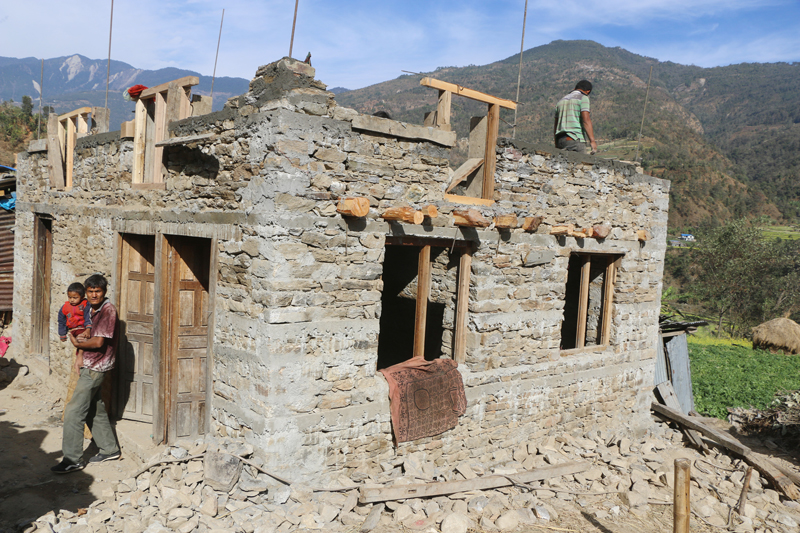
As many of you might have seen in the news back in 2015, Nepal suffered two big earthquakes which destroyed around 95% of their houses. Now (5 years later), they are still reconstructing the country.

How come? Nepal is one of the poorest countries in the world and after the incident, many people were injured, locals could not afford the new construction materials and children did not have schools to attend.

Quake survivors who failed to receive reconstruction grant from the government continue to build their house in Mahankal-9 of Kavrepalanchok district, on Friday, February 10, 2017. Photo: RSS

What can we do to help? There are many NGO’s which allow you to make donations from home or if you’re willing to go Nepal or you are already there, you can also volunteer. Depending on your skills you can help in schools, in hospitals, empowering women for their human rights, reconstructing buildings, etc. For example, with my architecture background and my English, I would be able to help with the reconstruction or teaching English to kids at school.

However, be careful with the NGO you chose! There are many ‘mafias’ that instead of giving the money to the people they keep it for themselves. Also, if you can avoid orphanages, better. The majority of them bring kids with parents into the orphanage only to attract people that want to help and get their donations. Besides, the short-term visits of different people giving attention to the kids can cause them mental health problems, such as separation anxiety.

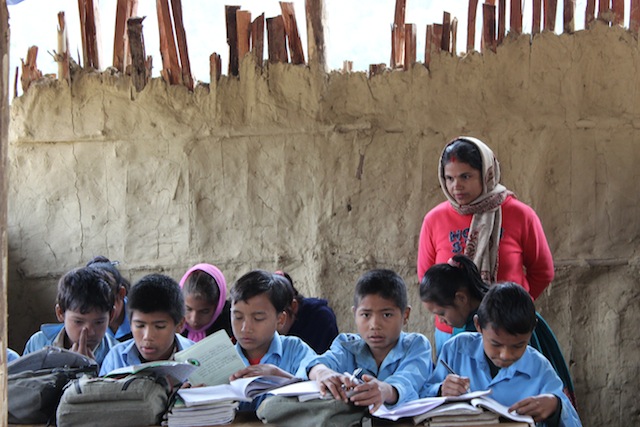
Nepali children at a temporary school in eastern Nepal. Credit: Mallika Aryal/IPS

Lastly, try to identify why you’re willing to go there and help. Is it because it allows you to travel to a remote country and show it in social media? or do you have genuine intentions to serve the community? If it is the first one, you can end up doing more harm than good. However, if you are really willing to help look for a cause you are passionate about.

I hope this post opened your eyes about the dark side of vounteering and made you be more wary about it.

Cheers!

3 THINGS YOU NEED TO KNOW ABOUT NEPAL

Namaste, fellow travellers!

Today we might be talking about misconceptions.
Nepal has an international reputation for being THE place you must go if you’re looking for hiking and adventure. Since I haven’t been in Nepal (yet) I might write here three common misconceptions other travellers had that you should know before you go.

1. FRESH MOUNTAIN AIR ALL THE TIME

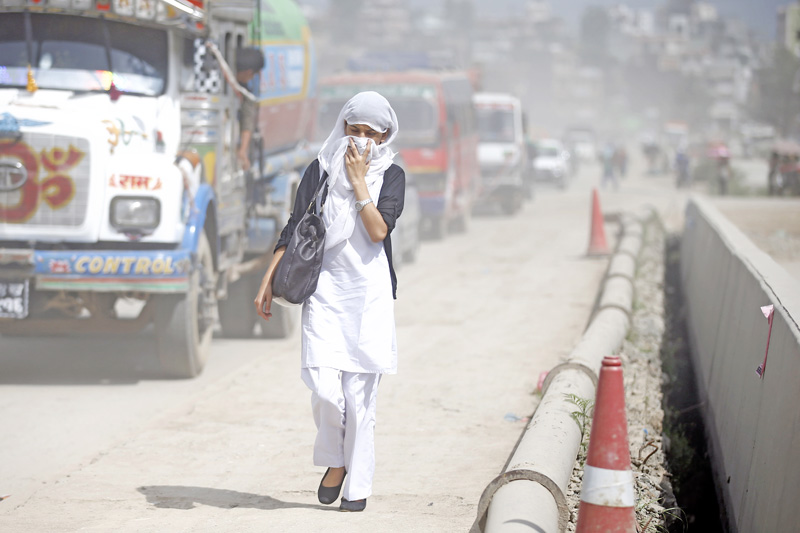
Somehow the idea most people have of Nepal (me included) is of this place where you can breath fresh air while enjoying the mountain views. Seems like it is not exactly like that. Kathmandu is suffering from serious air pollution. Tip: you can buy cheap face masks all over the city.

However, you might think…. “that’s only because Katmandhu is a big city, in the mountains I will have my fresh air”. Well, true, but you might also suffer from respiratory problems due to the high altitude. Yet, no worry! if you take steps to acclimatize you might not have any problem.

A woman covers her face to avoid polluted air in Balkhu, Kathmandu on Thursday, September 22, 2016. Photo: Skanda Gautam
2. LOCALS CAN’T SPEAK ENGLISH

This is a really common stereotype for many countries (Spain, Grece, etc.). In the case of Nepal, it couldn’t be farther from the truth. EVERYONE SPEAKS ENGLISH! (well maybe not in isolated villages but you get the idea). In schools out of eight subjects, seven are taught in English.

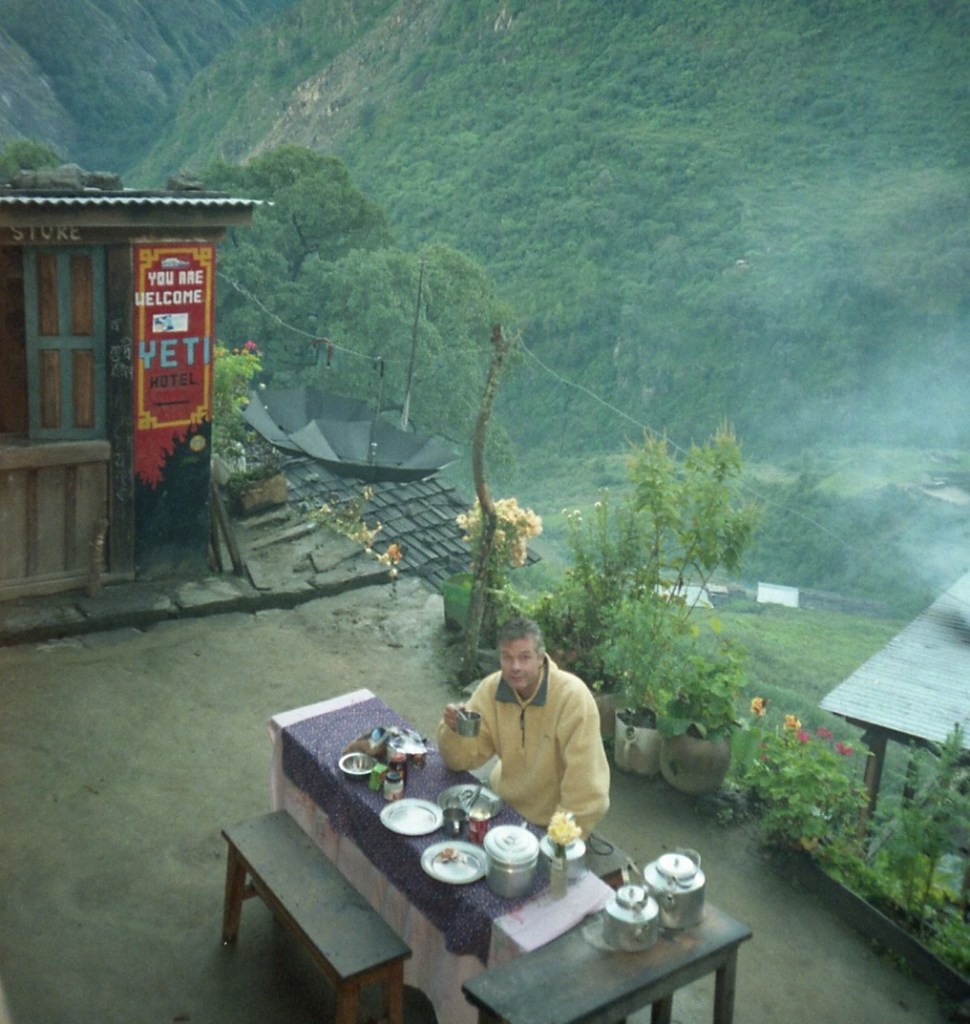
Back in 1996, signs were also written in English.
3. SHERPAS ARE JUST MOUNTAIN GUIDES

Lastly, Sherpas became famous for helping the first foreign explorers climb the high mountains of the Himalayas. That’s why we associate it directly to mountain guides. However, Sherpa is an ethnic group. This means that although everyone can be a guide, not everyone can be considered Sherpas.

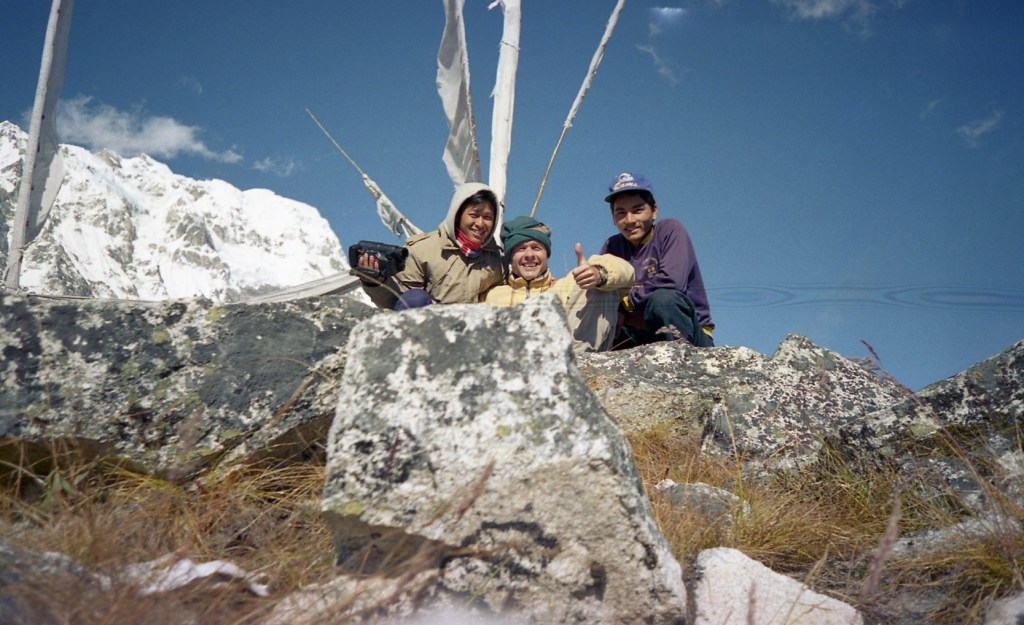
Two Sherpas that helped my parents hike around the Himalaya.

I hope you learnt a bit more about amazing Nepal with this post. If you want to know more about other stereotypes, here are some blogs I found very interesting and maybe you might too:

By reading other people’s experiences and opinions, you will be less disappointed knowing and undertanding more background information upon arrival.

Cheers!

REVIVING KATHMANDU WITH STREET ART

Namaste, fellow travellers!

Probably, what you might not know is that street art has existed in Nepal already for a while, more specifically since the 11th century (!!). This was in the form of religious murals. However, street art as we know it today started getting popular from 2008 when the French artist Space Invader created a series of 20 murals across Kathmandu.

Artists took it as inspiration to express the social problems of the country. In the beginning, they were about their decade long civil war and the political instability of the country. But after the earthquake of 2015, many artists decided to give life to the city by colouring the streets. Some of them used street art to create awareness.

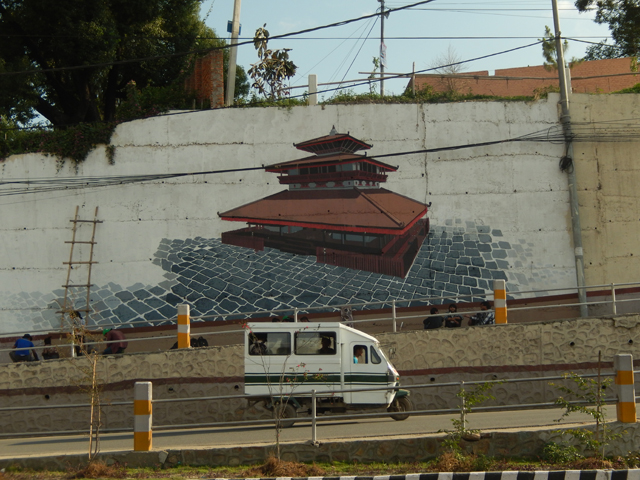
One example is the group Hatemalo Abhiyan, led by the artist Bhishan Rajbhandari. They painted a series of 9 murals in the Kathmandu Valley, representing the temples that collapsed during the earthquake.

These murals are located where the temples used to be. The artists aimed to make the authorities understand the importance of reconstructing these monuments.

The Kasthamandap painted in Babar Mahal is the first of a series of nine murals representing the collapsed temples of Kathmandu Valley. Credit: Stéphane Huët

Besides this group, many others are expressing their own ideas all over the city. The great approach of the Nepalese people and the growing popularity of this type of art has made of Kathmandu a colourful and interesting city. Also, because it is not illegal, many artists of all over the world are coming to the city to expose their art, creating almost a public gallery, where everyone can expose their paintings and everyone can enjoy it.

Street art might not be the first thing that crosses your mind when deciding to go to Nepal but it is definitely one of the things most people love of Kathmandu. If you decide to go, take your time wandering around the city and discovering the beautiful murals.

Cheers!

THE STORY BEHIND THE NEPALESE FLAG

Namaste, fellow travellers!

This is my first post about Nepal. To show you a bit of the culture of the country, this first post is going to be about symbolism.

If you think about Nepal, the first thing that might come up to your mind might be the Himalaya’s. But Nepal has much more than just a mountain range. It is filled with food, people and a rich history. This last one is the reason for the change of meaning on the Nepali flag (in the picture below).

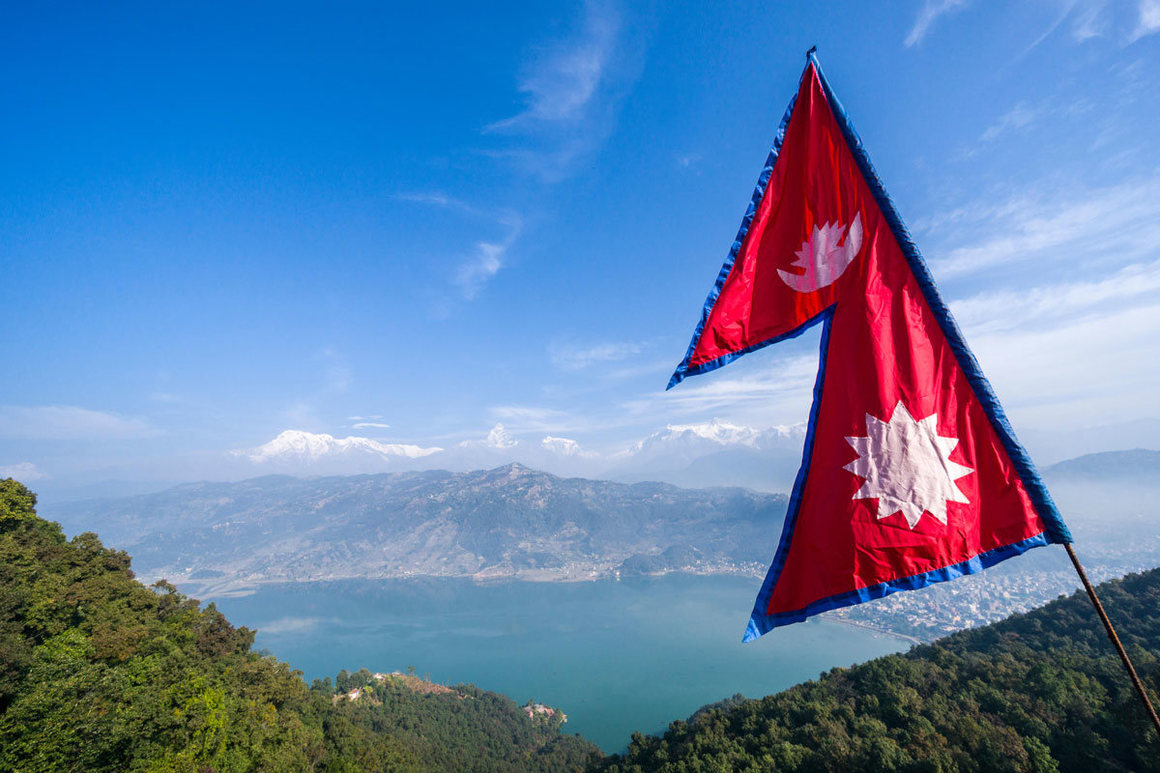
The Nepali National Flag which consists of two red pennants with a blue border, a crescent moon and a sun. Credit: Frank Binewald / Alamy

In the beginning, the two pennants represented the rival branches in the Rana dynasty which ruled Nepal until it became a federal republic. The moon represented the royal family and the sun one of the branches of the Rana family.

With the change from an autocratic monarchy to a democracy, and a civil war that ended in 2008, the symbolic meaning of the different parts of the flag changed.

If we look at the colours of the flag, the blue border represents peace and harmony and the red, which is also the national colour, represents the bravery of Nepalese’s spirit (these two meanings, I believe, are related to the devastating civil war). The form of the flag, the moon and the sun meanings in relation with the Rana dynasty disappeared with the change of the countries government to a democracy, giving way to new interpretations. For example, the form of the flag relates to the Himalayan mountains while the moon to the nice weather in the Himalaya’s and the sun resembles the warmer temperatures of the lower areas in Nepal.

This shows how symbols meanings are not static but they change with time depending on what people believe and relate them to.

Cheers!